MINI Coolant System Flush, Inspection, and Service
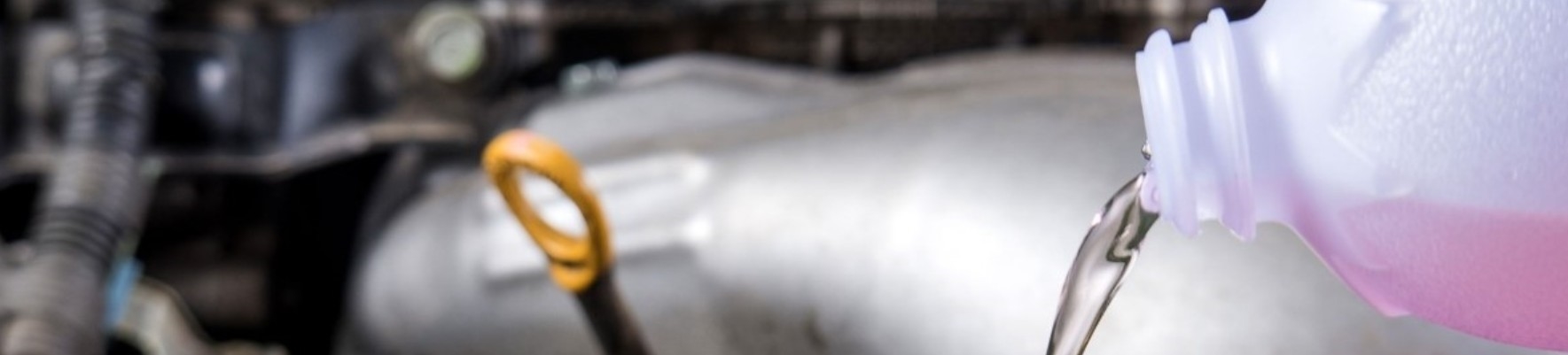
Engine Heat Must Leave the Engine to Keep It Running
An internal combustion engine generates extreme heat during operation. Fuel combustion in the cylinders reaches temperatures exceeding 4,000 degrees Fahrenheit. If that heat stayed inside the engine, the metal would melt and the engine would seize. Coolant circulates constantly through passages inside the engine block, absorbing that excess heat and carrying it to the radiator where the heat is released into the outside air. Over time, the coolant breaks down from heat exposure, loses its ability to protect against corrosion and freezing, and becomes ineffective at transferring heat. The service team at Habberstad MINI inspects cooling systems to test coolant condition, checks for leaks in hoses and connections, and flushes the system when the coolant has degraded. We use coolant that meets MINI specifications and maintain proper concentration so your engine stays at the correct operating temperature in all conditions. We document every cooling system service so you have a record of what was done and when the next service should be scheduled.
How Your MINI's Cooling System Controls Engine Temperature
A cooling system removes excess heat from the engine and maintains it at the ideal operating temperature. The system consists of the water pump that circulates coolant, the radiator that releases heat to the air, hoses that carry coolant between components, a thermostat that regulates flow, and passages inside the engine block where heat absorption happens. When the engine starts, the water pump begins circulating coolant through the engine. As the coolant passes through the hottest parts of the engine, it absorbs heat. The hot coolant then flows to the radiator where it passes through thin metal fins that maximize surface area exposed to outside air. Air flows across those fins, absorbing heat from the coolant and releasing it into the atmosphere. The cooled coolant then returns to the engine to absorb more heat, and the cycle repeats continuously.
Coolant is a mixture of water and additives that prevent freezing, prevent boiling, prevent corrosion, and improve heat transfer. Pure water freezes at 32 degrees Fahrenheit and boils at 212 degrees Fahrenheit. Engine coolant typically contains ethylene glycol or propylene glycol that lowers the freezing point to around minus 30 degrees and raises the boiling point to around 265 degrees. These properties allow the coolant to function in temperatures that would make pure water unusable. The additives also include rust inhibitors that coat internal engine passages and prevent corrosion, and bittering agents that make the coolant taste bad to discourage accidental ingestion.
- The cooling system circulates coolant constantly to absorb engine heat and release it into the air
- Coolant is formulated to prevent freezing, prevent boiling, and protect against internal corrosion
- The thermostat regulates coolant flow to maintain the ideal engine operating temperature
The thermostat is a temperature-sensitive valve that regulates how much coolant flows through the radiator. When the engine is cold, the thermostat closes and coolant bypasses the radiator, allowing the engine to warm up quickly to operating temperature. Once the engine reaches the target temperature, the thermostat opens and coolant flows through the radiator at a rate that maintains that temperature. A thermostat that is stuck closed traps heat inside the engine and causes overheating. A thermostat that is stuck open allows excessive cooling and the engine runs cold. Either condition reduces engine efficiency and performance.
The water pump is driven by an engine belt and circulates coolant continuously whenever the engine runs. Inside the pump is an impeller that spins and pushes coolant through the system. If the pump seal fails, coolant leaks out and the system loses its ability to transfer heat. If the impeller becomes corroded or damaged, it cannot circulate coolant properly. Water pump failure causes immediate overheating because the coolant is not being circulated. Many water pumps last the life of the vehicle, but replacement becomes necessary when wear or corrosion reduces their ability to move coolant.
Hoses carry coolant between the engine, radiator, water pump, and heater core. Over years of exposure to heat and the corrosive effects of old coolant, rubber hoses become brittle and crack. A small crack develops into a leak. A leak that is small enough to not drip noticeably can still cause the system to lose coolant over time, reducing the volume of fluid available to carry heat. A complete hose failure causes the system to lose all its coolant within minutes of the rupture, and the engine overheats within another minute or two of driving. Regular inspection of hoses identifies cracks and leaks before complete failure happens.
Why Coolant Degrades and When System Service Is Needed
Coolant does not last forever. The additives that prevent corrosion and freezing are consumed as they do their job. Heat breaks down the chemical compounds that make up the coolant. Contamination from rust and oxidation accumulates over time. A coolant that was fresh and effective when new becomes dark and sludgy after years of service. The freezing and boiling protection deteriorates. The corrosion inhibitors no longer coat the system adequately, and rust begins forming on internal engine passages. A cooling system running on degraded coolant is at risk for blockages, corrosion damage, and overheating.
Rust and oxidation reduce the effectiveness of heat transfer. A thin layer of rust on the inside of hoses and radiator passages acts as insulation, keeping the coolant from contacting the metal that would conduct heat away. As rust accumulates, heat transfer becomes progressively worse. The engine runs hotter than it should. The temperature gauge climbs higher. The cooling fan runs more often. Eventually, the heat transfer is so poor that the system cannot remove heat fast enough, and the engine overheats.
- Coolant additives degrade over time and lose their ability to protect against freezing and corrosion
- Heat breaks down coolant chemistry, reducing its effectiveness at transferring heat
- Rust and sediment accumulate in old coolant, restricting flow and reducing efficiency
Different types of coolant have different service intervals. Traditional silicate-based coolants should be flushed every 30,000 miles or two years. Longer-life coolants extended by additives might last 50,000 miles or three to five years. The specific interval for your MINI depends on the coolant type your vehicle was filled with and what your manufacturer recommends. Using the wrong coolant type can cause incompatibility and reduce effectiveness. Using the right coolant type and respecting the service interval keeps your cooling system functioning properly.
Coolant leaks are always a concern because the system loses coolant volume and cannot function without adequate coolant. A small leak that drips onto the ground or a leak that is sealed by mineral deposits in the coolant can go unnoticed for weeks. By the time the symptoms become obvious, the system has lost a significant amount of coolant. A leak discovered during a coolant system inspection can be repaired before coolant loss becomes critical. Some leaks are simple fixes like replacing a hose or tightening a connection. Others require replacing a water pump or radiator.
Coolant System Services at Habberstad MINI
From coolant inspection to complete system flush and refill and leak diagnosis, our service team handles every type of cooling system work for all MINI models. Here is what each service involves and when it is the right choice.
Coolant Inspection and Level Check
A coolant inspection includes checking the coolant level in the reservoir and assessing the color and condition of the coolant. Fresh coolant is typically bright green, orange, or pink depending on the type. Old coolant becomes dark brown or black. Cloudy or milky coolant indicates water contamination. We test the coolant with a refractometer to measure freezing and boiling point protection. If the coolant level is low, we investigate for leaks. If the coolant shows signs of degradation, we recommend flushing and refilling with fresh coolant. A simple inspection reveals the health of your cooling system and whether service is needed now or can be scheduled for the near future.
Coolant Flush and Refill
A coolant flush removes all the old coolant from the system and replaces it with fresh coolant that meets MINI specification. We use specialized equipment to circulate fresh coolant through the entire system, flushing out rust, sediment, and degraded additives. The new coolant contains all the corrosion inhibitors, freezing protection, and boiling protection your MINI needs. The flush process is thorough and ensures every passage in the cooling system is cleaned and refilled. A complete flush removes contamination that a simple drain and refill would leave behind in hard-to-reach passages. Most MINI owners should flush the cooling system every two to three years depending on their specific model and driving conditions.
Cooling System Leak Diagnosis
If your MINI is losing coolant or you have noticed coolant leaks under the vehicle, the source of the leak must be identified. Leaks can come from hoses, connections, the radiator, the water pump, or the heater core. We inspect the system visually, check connections for tightness, and pressurize the system to identify where coolant is escaping. Once the leak source is identified, we recommend the specific repair needed. Some leaks are fixed with a new hose. Others require radiator replacement or water pump replacement. Leak diagnosis determines what the actual problem is so you know what the repair will cost and what is required to stop the leak permanently.
Maintenance Prevents Cooling System Failure
Regular coolant inspection and flushing prevents most cooling system problems before they become emergencies. A system that is flushed periodically has clean coolant that transfers heat efficiently, inhibitors that protect against corrosion, and additives that prevent freezing and boiling. A system that is neglected develops rust, loses protective properties, and becomes progressively less efficient at managing engine heat. The cost difference between a scheduled flush and an emergency overheating repair is significant. The flush costs a modest amount and takes an hour or two. An unplanned engine overheating that requires hose replacement or radiator repair costs much more and leaves you without your MINI while the repair is completed.
MINI specifies which type of coolant to use and at what interval it should be flushed. Using the correct coolant type is important because different coolants have different additives and chemical compositions. Mixing coolant types can cause the additives to react and form sludge or precipitate. Using coolant that does not meet MINI specification means the freezing and boiling protection might not be adequate for your climate. We use the exact coolant type specified for your MINI model year so the protection is correct and complete.
- Coolant flushing every two to three years keeps the system clean and protective
- Using the correct coolant type specified for your MINI ensures proper protection
- Planned maintenance prevents emergency overheating and expensive repairs
Visual inspection of hoses should be part of regular vehicle maintenance. A hose that is cracked, brittle, or soft is near failure. Replacing hoses before they fail is far better than discovering a rupture when you are far from help. A hose that has begun leaking is especially critical to replace because the leak will only worsen. Catching these problems early through periodic inspection adds years to the life of your cooling system and prevents unexpected breakdowns.
Coolant System Service for All MINI Models
We perform cooling system inspection, flushing, and repair for every MINI model year and body style. Different MINI models use different coolant types and have different cooling system layouts. A Hardtop has a smaller cooling system than a Countryman or Clubman. We know which coolant type is correct for your specific model and use the exact type when flushing or topping off your system. Using the right coolant ensures the proper balance of freezing protection, boiling protection, and corrosion prevention for your vehicle.
Cooling system service is relatively quick and inexpensive relative to the cost of ignoring it and dealing with overheating. A coolant flush takes an hour or two depending on how much time is needed to thoroughly clean all passages. Hose replacement or leak repair depends on what is found during inspection, but most hose replacements are completed in an hour or two. Radiator replacement is more involved, but it is still a straightforward repair once the problem is identified. We will give you a clear estimate of what the work costs and how long it will take.
- Coolant system service available for all MINI model years and body styles
- Factory-specification coolant used for all flushes and top-offs
- Complete system inspection identifies leaks and component condition
Visit Habberstad MINI for Coolant Service
Coolant Service Serving Long Island and Nearby Communities
MINI owners across Long Island and the surrounding area bring their vehicles to Habberstad MINI for cooling system inspection, flushing, and repair. Every coolant service begins with a complete system inspection and documentation of coolant condition before any service is performed.
- Huntington Station, NY
- Centerport, NY
- Northport, NY
- Eatons Neck, NY
- Sands Point, NY
If you notice coolant leaking under your MINI, the coolant level is dropping, or your vehicle is approaching the service interval for a coolant flush, call our service desk and schedule an appointment. We will inspect your cooling system and recommend service based on what we find.
Cooling System Questions We Answer
Cooling system questions come up when owners notice leaks, see discolored coolant, or want to understand maintenance needs. Here are questions our service advisors answer frequently from MINI owners.
Q: How often should I flush my cooling system?
Q: What color should my coolant be?
Q: What does it mean if coolant is leaking from my MINI?
Q: What is the difference between coolant and antifreeze?
Q: Can I mix different coolant colors?
Q: Why does my engine overheat on hot days?
Q: What is coolant stop leak and does it work?
Q: What temperature should my engine run at?
Q: How do I know if my radiator is clogged?
Have a cooling system question that is not answered here or are you experiencing overheating or leaks? Call our service desk and describe what is happening. We can help you determine whether an inspection should be scheduled.
Cooling system questions get thorough answers here. We help you keep your MINI running at the right temperature.
Schedule Coolant Service at Habberstad MINI
Regular cooling system maintenance is one of the simplest and most effective ways to prevent overheating, extend engine life, and avoid unexpected breakdowns. A coolant flush removes degraded coolant and restores the corrosion protection and freezing protection your MINI needs. If you have noticed coolant leaks, the coolant level is dropping, or your vehicle is due for a coolant flush based on the manufacturer's recommendation, schedule an appointment.
Our service team performs complete cooling system inspection, flushing, and repair for all MINI models. We use factory-specification coolant and perform a thorough system flush that removes rust and sediment from all passages. Every service includes a complete inspection of hoses, connections, and the radiator so leaks are identified and repaired before they become critical.
Book your appointment online, call during business hours, or stop by. If you are not sure whether your cooling system needs service or you want to understand your MINI's cooling system maintenance schedule, we can answer your questions and schedule the service you need.
Service Specials

Second Opinion
Bring in your written statement from any authorized repair facility and we will give you a 2nd option estimate.
Summer Road Trip Inspection
-Multi-point inspection -Battery test -Tire inspection/balance

Service Transportation
Legacy Owners Package