MINI Battery Testing, Replacement, and Service
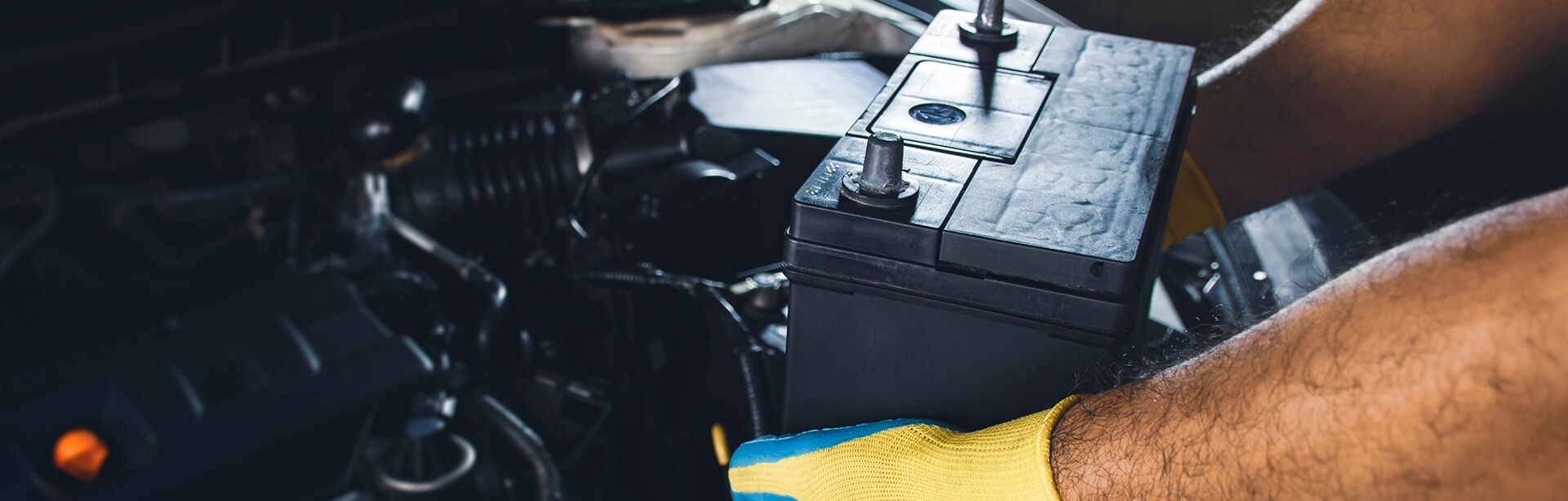
Cold Weather Exposes Battery Weakness in an Instant
A battery that started your MINI reliably every morning in summer can struggle on the first cold day of winter. Cold reduces a battery's ability to deliver the electrical current needed to crank the engine, while simultaneously making the engine harder to start because cold oil flows more slowly through the engine. The combination means a marginal battery that was just barely adequate in warm weather fails completely in cold. The technicians at Habberstad MINI test batteries before they fail, replace them when testing shows they cannot deliver full power, and diagnose electrical problems when a battery is not holding a charge. We use batteries that meet or exceed MINI specifications and test every replacement before installation so you know it will start your vehicle reliably in any season.
How Your MINI's Battery Powers Everything
A car battery is a container of chemical energy that converts to electrical current when needed. Inside the battery are cells made up of lead plates immersed in sulfuric acid. A chemical reaction between the lead and acid produces electrons that flow through the vehicle's electrical system. That flow of electrons powers the starter motor that cranks the engine, the ignition system that fires the spark plugs, and every other electrical component in the vehicle. The battery is also the electrical buffer that stabilizes voltage throughout the system and absorbs electrical surges that could damage sensitive components.
The starter motor draws enormous electrical current to crank the engine. A typical cold start draws 100 to 200 amps from the battery for several seconds. After the engine starts, the alternator takes over and produces electricity to recharge the battery and power the vehicle's electrical systems. A properly functioning alternator fully recharges a battery during driving, so a battery that was drained by starting is restored over the next hour of driving. If the alternator fails, the battery becomes the only source of electricity, and it drains completely after hours of use depending on what electrical loads are running.
- The battery stores chemical energy and converts it to electrical current when the starter is engaged
- A cold start draws 100 to 200 amps for several seconds, which is why weak batteries fail in winter
- The alternator recharges the battery while the engine runs, maintaining the charge for the next start
Battery capacity is measured in cold cranking amps, or CCA. This rating tells you how many amps a battery can deliver for 30 seconds at zero degrees Fahrenheit before voltage drops below usable levels. A battery rated at 400 CCA can deliver 400 amps for 30 seconds in freezing conditions. The same battery in summer heat can deliver more amps because chemical reactions speed up in warm conditions. A battery with a CCA rating adequate for summer operation may fall short when winter arrives. This is why a battery that works fine for nine months of the year can fail on the first genuinely cold morning.
Battery age is the primary factor in capacity loss. A new battery has a full chemical charge and can deliver its full CCA rating. Over years of use, the lead plates inside the battery gradually degrade. The acid slowly becomes less reactive. The internal resistance increases. A battery that was capable of 400 CCA when new might only deliver 300 CCA after three years, even if it has never truly failed. The decline is gradual and invisible until cold weather arrives and the battery cannot deliver enough current to crank the engine.
Modern MINI models have more electrical demands than older vehicles. Navigation systems, digital displays, infotainment systems, and numerous computers all draw power continuously, even when the engine is off. A battery that was adequate for a vehicle with fewer electrical loads may not be adequate for a complex modern MINI. Understanding the electrical demands of your specific vehicle helps determine whether a larger-capacity battery would provide better reliability in winter conditions.
Why Batteries Fail and What Causes Starting Problems
Batteries fail for different reasons at different times. A brand new battery that fails after a few weeks typically has a manufacturing defect or was damaged during installation. A battery that fails after three to five years has likely degraded from normal use. A battery that was working fine and suddenly fails often has a different problem: the alternator has stopped charging it, or something is draining it while the vehicle is parked. Understanding which failure mode is happening determines what the fix should be.
Alternator failure is one of the most common causes of battery-related starting problems. The alternator is a generator that produces electricity while the engine runs. It recharges the battery and powers electrical systems. When an alternator fails, it stops producing current, and the battery becomes the sole source of electricity. For a few hours, the vehicle runs on battery power. Once the battery is drained, the engine will not start. Many owners think the battery is dead when the real problem is the alternator. A simple test reveals whether the alternator is charging.
- Battery degradation over time reduces cold cranking amps, which shows up as starting difficulty in winter
- Alternator failure stops the battery from being recharged during driving
- Parasitic drain from electronics can discharge the battery while the vehicle sits unused
Parasitic drain is a less obvious cause of battery failure. Modern vehicles have many electronic systems that consume small amounts of power even when the engine is off. The security system, the clock, the radio memory, the door lock solenoids, and numerous other components draw tiny currents. If these systems are functioning normally, the total drain is minimal and the battery stays charged indefinitely during normal use. If one of these systems has a problem and stays partially active when it should be off, it can drain the battery over days or weeks of sitting in the garage.
A battery that is losing charge unusually fast or will not start after sitting overnight likely has either parasitic drain or an alternator that is not charging. Testing reveals which problem is happening. Parasitic drain is measured by connecting an ammeter to the battery while the vehicle is off. Normal parasitic drain is typically under 50 milliamps. Higher drain indicates something is running when it should not be. The system causing the drain must be identified and repaired. Alternator testing measures the voltage the alternator produces and whether it matches the demand from the vehicle's electrical systems.
Cold weather and battery problems have a direct relationship. A battery's ability to deliver electrical current is directly affected by temperature. At 32 degrees Fahrenheit, a battery delivers only about 60 percent of its maximum current. At zero degrees, it delivers even less. Simultaneously, the engine requires more starter current in cold because cold oil is thicker and harder to move. A battery that was borderline in summer is inadequate in winter. This is why weak batteries always seem to fail on the coldest day of the season.
Battery Services at Habberstad MINI
From battery testing to complete replacement and electrical diagnosis, our service team handles every type of battery work for all MINI models. Here is what each service involves and when it is the right choice.
Battery Testing and Inspection
A battery test connects specialized equipment to the battery and measures its ability to deliver electrical current under load. We measure the battery voltage at rest, the voltage under simulated starting load, and the time it takes the battery to recover voltage after the load is removed. These measurements reveal whether the battery can deliver adequate current for reliable starting or whether replacement should be considered. We also visually inspect the battery case for cracks or leaks and check the connection terminals for corrosion or loose connections. A battery that tests good continues to serve. A battery that cannot deliver adequate current is replaced before it fails unexpectedly.
Battery Replacement
When a battery test shows the battery cannot deliver adequate current or when a battery has failed, replacement is necessary. We use batteries that meet or exceed the MINI specification for your model year, ensuring proper capacity and fit. Every replacement battery is tested before installation to confirm it delivers full power. We safely remove the old battery and install the new one, ensuring connections are tight and corrosion-free. The new battery is tested again after installation before the vehicle is returned to you. A battery replacement restores reliable starting in every season and every condition.
Alternator and Electrical Diagnosis
If the battery test is normal but the vehicle has starting problems or loses charge while driving, the alternator or electrical system may be failing. We test the alternator output to determine whether it is producing adequate voltage and current to charge the battery. We measure parasitic drain to confirm the battery is not being discharged by systems running when the engine is off. If the alternator is weak or failing, we replace it. If parasitic drain is high, we diagnose which system is causing the drain and repair or replace it. A battery that tests good but is not holding charge usually points to one of these electrical system problems.
Testing Before Replacement Prevents Unnecessary Costs
Battery replacement is not needed simply because the battery is old. A five-year-old battery that still tests at 90 percent of its rated capacity has useful life remaining. A two-year-old battery that tests at 50 percent capacity is approaching failure and should be replaced. Testing removes the guessing and shows you the actual condition. If the test shows replacement is not yet necessary, you have confirmation the battery is fine and you do not need to spend money. If the test shows capacity is low, you know the replacement is justified and recommended before the battery fails unexpectedly.
The most frustrating battery failure is one that happens at an inconvenient time. A battery that was marginally adequate fails when you need your MINI most. Testing before winter arrives or before a long trip removes that uncertainty. A battery that tests weak before cold weather is a candidate for replacement so you have reliable starting when temperatures drop. A battery that tests good can be trusted for several more months or years depending on the condition. Regular testing is inexpensive and protects you from unexpected failures.
- Battery testing reveals actual capacity and predicts when replacement will be needed
- Testing prevents unnecessary replacement of batteries that still have useful life
- Testing before winter identifies weak batteries that could fail in cold weather
Proper battery maintenance extends the life and reliability of your MINI's starting system. Keeping battery terminals clean and free of corrosion allows full electrical connection. Ensuring the alternator is functioning properly means the battery stays fully charged. Avoiding unnecessary electrical loads when the engine is off preserves battery charge for starting. Regular testing gives you visibility into battery condition and lets you plan replacement before failure happens rather than reacting to failure when it occurs.
Battery Service for All MINI Models
We handle battery service for every MINI model year. Different MINI body styles and model years use different battery types and capacities. A Hardtop, Clubman, and Countryman each have different electrical demands and battery requirements. We match the replacement battery to your specific model to ensure proper capacity and fit. Using the wrong battery or a battery with insufficient capacity for your model results in starting problems that will return despite the replacement.
Battery replacement is one of the quickest service items we perform. The entire process, including testing the old battery, installing the new one, and testing the replacement, usually takes 30 minutes or less. Many customers wait while the battery is replaced. If the replacement reveals a problem with the charging system or electrical drain, additional diagnosis may be needed, but basic battery replacement is fast and straightforward.
- Battery service and replacement available for all MINI model years and body styles
- Replacement batteries matched to your MINI specification for proper capacity and fit
- Most battery replacements completed in 30 minutes or less
Visit Habberstad MINI for Battery Service
Battery Service Serving Long Island and Nearby Communities
MINI owners across Long Island and surrounding communities bring their vehicles to Habberstad MINI for battery testing and replacement. Every battery service includes a full test of the old battery and the new replacement before your MINI leaves our service bay.
- Huntington Station, NY
- Huntington, NY
- Melville, NY
- Jericho, NY
- Oyster Bay, NY
If you are experiencing starting problems or want to have your battery tested before winter arrives, call our service desk and schedule an appointment. We will run a complete test and tell you exactly what your battery condition is and what we recommend.
Battery Service Questions Answered
Battery questions come up regularly when owners experience starting problems or want to prepare for winter. Here are questions our service advisors answer often from MINI owners.
Q: How long do car batteries last?
Q: Why does my MINI not start when it is cold outside?
Q: What does a battery test actually measure?
Q: What is a cold cranking amp rating and why does it matter?
Q: What causes battery terminals to corrode?
Q: Can a dead battery be recharged or does it always need replacement?
Q: What is parasitic drain and how do I know if it is the problem?
Q: How do I know if my alternator is failing?
Q: Should I replace my battery before winter or wait until it fails?
Have a battery question that is not answered here or are you experiencing starting problems? Call our service desk and describe what is happening. We can help you determine whether a battery test would be useful and answer questions about battery condition or charging system problems.
Battery questions get clear answers here. We help you keep your MINI starting reliably.
Schedule Battery Service at Habberstad MINI
A battery that starts your MINI reliably today might not start it next winter. Battery capacity gradually declines over years of use, and that decline becomes obvious when cold weather arrives. Testing before winter identifies weak batteries so replacement happens on your schedule rather than on a frozen morning when your MINI will not start.
Our service team performs battery testing and replacement for all MINI models. We use batteries that meet or exceed MINI specifications and test every battery before and after installation. If your MINI has been slow to start, is showing dashboard charging warnings, or you simply want to verify battery condition before winter, schedule an appointment for a complete battery test.
Battery service is quick, inexpensive, and prevents the inconvenience and frustration of an unexpected failure. Book your appointment online, call during business hours, or stop by. We will test your battery and tell you exactly what it shows and what we recommend for reliable starting in any season.
Service Specials

Wild Card

MINI Value Service Oil Change
MINI Value Service applies to select services. To schedule your appointment, contact us or book online.

Paintless Dent Repair
Includes Free Estimate

Let's Get Ready For Winter!
-Multi-point inspection -Battery test -Tire inspection/balance

We Fix Rims
We can repair your bent wheels on site! Buy three rim repairs at full price ($169.99) and get a 4th free!

Tire Price Match
Don't forget! Habberstad BMW participates in the Tire Price Match Promise Program! If you find a better price than what we offer from a tire retailer, we will m
Read More

Heritage Owners Package

100K Club
Have a BMW with over 100,000 miles? Get 10% off service up to $100. Excludes tires, maintenance, value service items, and alignments. With minimum spend of $150
Read More
Front or Rear Brake Pads
Replace front or rear pads,Inspect discs, calipers, lines, hoses, cylinders, and master cylinder